November 19, 2026
Tree services are essential for maintaining the health and safety of urban and rural landscapes. While many people are familiar with tree trimming and removal, there are several lesser-known tree services that contribute significantly to the environment and aesthetics. This article will explore these services, highlighting their importance and the expertise involved. Understanding these nuanced services can transform one's approach to tree maintenance and foster a more sustainable environment. By delving into these specifics, property owners and environmental enthusiasts can learn how to effectively contribute to ecological balance.
Section 1: Canopy Thinning
Subsection 1: Definition and Purpose
Canopy thinning is a specialized tree service that involves the selective removal of branches and foliage to reduce the density of a tree's canopy. This process aims to allow more sunlight and air circulation to penetrate the tree, promoting healthier growth. Additionally, canopy thinning reduces the load on tree limbs, minimizing the risk of breakage during storms. It does not alter the overall shape or size of the tree, making it a subtle yet effective practice. This technique is particularly useful for homeowners striving to balance aesthetic appeal and plant health.
Subsection 2: Environmental Benefits
Canopy thinning offers several environmental benefits that extend beyond the individual tree. By allowing more sunlight to reach the understory, it supports a more diverse range of plant life beneath the tree. Improved air circulation can also reduce the incidence of fungal infections that frequently plague dense, moist canopies. Furthermore, properly thinned trees are more resilient against strong winds, reducing the likelihood of storm damage. Healthier trees contribute to better air quality and biodiversity, making canopy thinning a vital practice for ecological sustainability.
Subsection 3: Process and Techniques
The process of canopy thinning begins with a thorough assessment of the tree's structure and condition. Arborists use precise techniques to remove select branches strategically, ensuring that the tree maintains its natural shape while improving its overall health. Tools such as pruning shears, saws, and sometimes hydraulic equipment are used to reach higher branches systematically. This requires a nuanced understanding of tree biology and growth patterns, as incorrect cutting can harm the tree. Professional arborists are trained to execute this service with precision, ensuring the tree's integrity is preserved.
Subsection 4: When to Consider Canopy Thinning
There are several scenarios in which canopy thinning should be considered. Trees that have excessive shade beneath them or show decreased growth can benefit greatly from this service. It is also recommended for trees that appear top-heavy or when there is a need to improve the aesthetic quality of the landscape. Consulting with a professional arborist will help determine the appropriate timing for canopy thinning based on the tree species and local climate conditions. Ultimately, it is a proactive step that can extend the life and health of the tree significantly.
Subsection 5: Selecting a Professional Service
Choosing the right professional service for canopy thinning is crucial to ensure the procedure is executed safely and effectively. Prospective clients should look for certified arborists who have experience in canopy thinning and are well-versed in local tree species. Checking customer reviews and asking for referrals can provide insight into the quality of service offered. A professional arborist will conduct a preliminary assessment and provide a detailed plan tailored to the specific needs of the property. Trusting this service to experienced professionals ensures the best outcomes for tree health and safety.
Section 2: Root Aeration
Subsection 1: Importance of Soil Aeration
Root aeration is the process of introducing air into the soil to enhance its structure and improve the root zone's ability to absorb nutrients and water. This service is vital in soils that are compacted or have poor drainage, common issues that impede healthy tree growth. Aeration breaks up compacted soil, alleviates root stress, and promotes an optimal environment for root expansion. Proper soil aeration leads to healthier, more resilient trees, capable of withstanding environmental stressors. Overall, it is a foundational tree care measure that supports robust growth and longevity.
Subsection 2: Signs Your Tree Needs Root Aeration
Several telltale signs indicate a tree might benefit from root aeration. Slow growth, yellowing leaves, and sparse foliage all suggest that soil compaction is restricting nutrient uptake. Another indicator is water pooling around the tree base after rainfall, which signifies poor drainage and air exchange. Consulting an arborist can help confirm whether root aeration is necessary and beneficial. Early detection and intervention are key to maintaining tree vitality and enhancing its resilience to environmental challenges.
Subsection 3: Techniques Used in Root Aeration
Root aeration techniques vary, but they typically involve the use of specialized equipment to perforate the soil. A common method is core aeration, where machines extract cylindrical plugs from the soil, allowing for greater air circulation. Liquid aeration is another technique, employing solutions that break down soil particles to reduce compaction naturally. Both methods help increase water infiltration, reduce runoff, and encourage deeper root systems. Advanced techniques may require professional expertise to ensure proper execution and optimal outcomes.
Subsection 4: Benefits to Tree Health
The benefits of root aeration to tree health are multifaceted. Enhanced air circulation and water penetration lead to more robust root systems, enabling better nutrient uptake. Healthier roots support vibrant canopy growth and increase resistance to disease and pest pressures. Additionally, root aeration can dramatically improve drought tolerance, as deeper roots have greater access to moisture during dry spells. This service ultimately supports a thriving tree population, contributing to a healthier and more resilient landscape.
Subsection 5: Cost Considerations and Frequency
The cost of root aeration depends on variables such as tree size, soil condition, and the specific technique employed. It is typically a cost-effective measure, given the long-term health benefits it offers. Root aeration generally needs to be performed every few years, though heavily compacted soils might require more frequent treatments. Investing in regular aeration is an economical approach to ensuring tree health and longevity. Seeking advice from a professional can help determine the ideal frequency based on individual site conditions.
Section 3: Tree Cabling and Bracing
Subsection 1: Understanding Structural Support
Tree cabling and bracing are methods used to provide structural support to weak or damaged branches and trunks. This service is critical for trees with split trunks, heavy limbs, or those exposed to high wind conditions. By installing cables and braces, arborists can stabilize a tree, preventing breakage and potential hazards. These interventions allow trees to continue growing safely, enhancing their longevity and ecological contribution. They are essential for maintaining the structural integrity of heritage or otherwise significant trees in urban landscapes.
Subsection 2: Materials and Equipment Used
Cabling and bracing require specialized materials and equipment tailored for different tree sizes and conditions. Cables are typically made from high-strength steel or synthetic materials, while braces consist of threaded rods designed to provide internal stabilization. The installation process often involves climbing equipment and mechanical lifts to access high areas safely. Precision is key in placing these supports, as improper installation can harm the tree. Professional arborists are trained to select and apply the correct materials, ensuring both effectiveness and tree health.
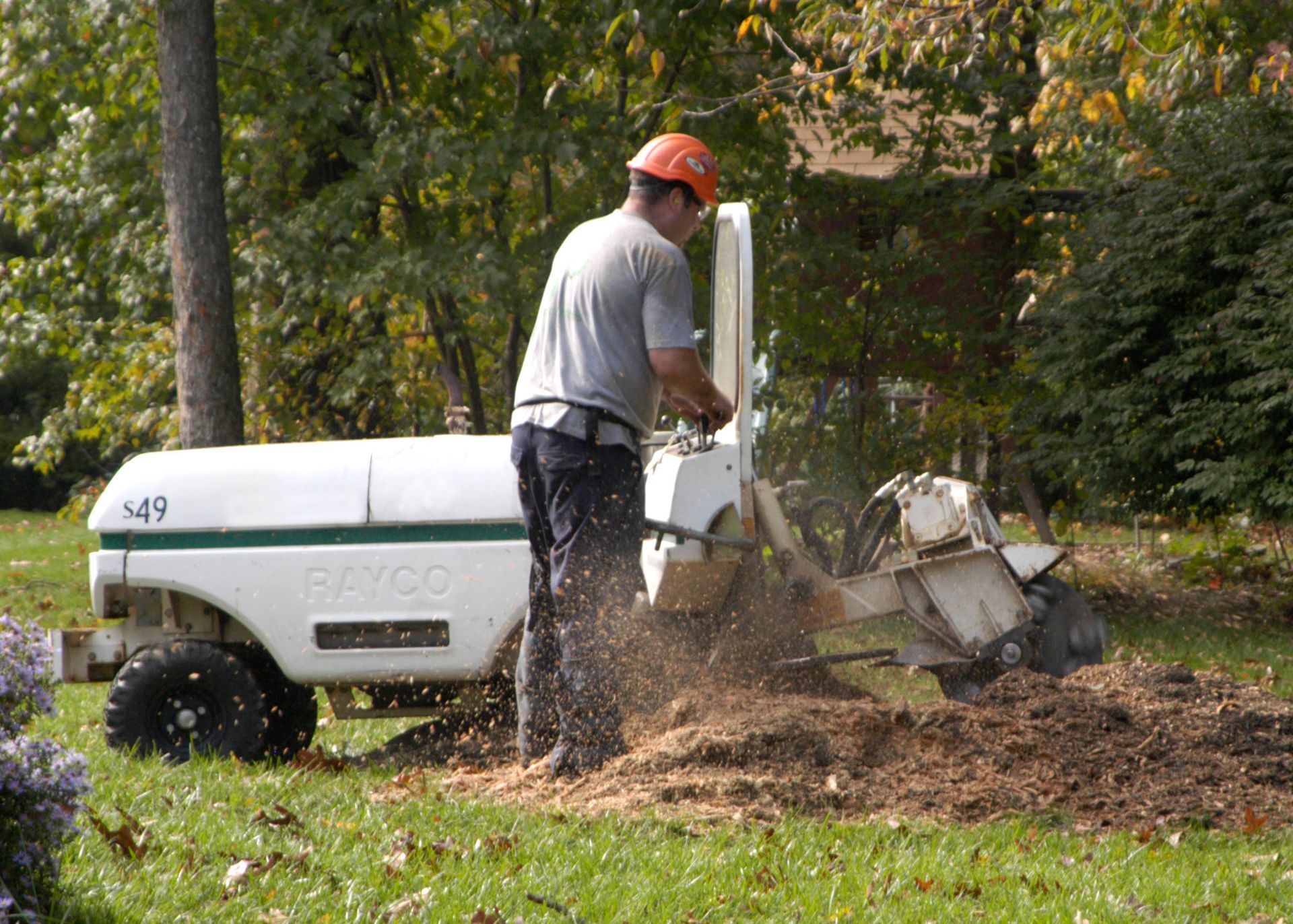
Trees offer invaluable benefits to our environment and quality of life. This overview of lesser-known tree services highlights their critical roles in maintaining healthy landscapes and urban environments. By understanding and utilizing these services, property owners can ensure their trees thrive while contributing to a sustainable ecosystem. Professional services in canopy thinning, root aeration, cabling, and bracing, as well as PHC programs, storm damage prevention, and ecological restoration, are integral components of comprehensive tree care. Armed with this knowledge, individuals can take proactive steps towards enhancing environmental health and sustaining biodiversity. According to This Old House, stump grinding can take anywhere from half an hour to two hours. Be sure to reach out to Affordable Tree Care today to learn more about our professional tree services!