November 24, 2026
Understanding the importance of maintaining healthy green spaces extends beyond aesthetics to encompass environmental and safety concerns. This article explores how removing deadwood from trees plays a crucial role in safeguarding both surrounding vegetation and landscaped areas. Deadwood is not simply an eyesore; it can harbor disease, limit biodiversity, and pose numerous physical hazards. Recognizing the implications of deadwood and taking proactive steps for its management can significantly enhance urban and rural landscapes. Thus, a comprehensive understanding of deadwood management is essential for environmental sustainability and community safety.
The Basics of Deadwood and Its Impact
Understanding Deadwood: Definition and Characteristics
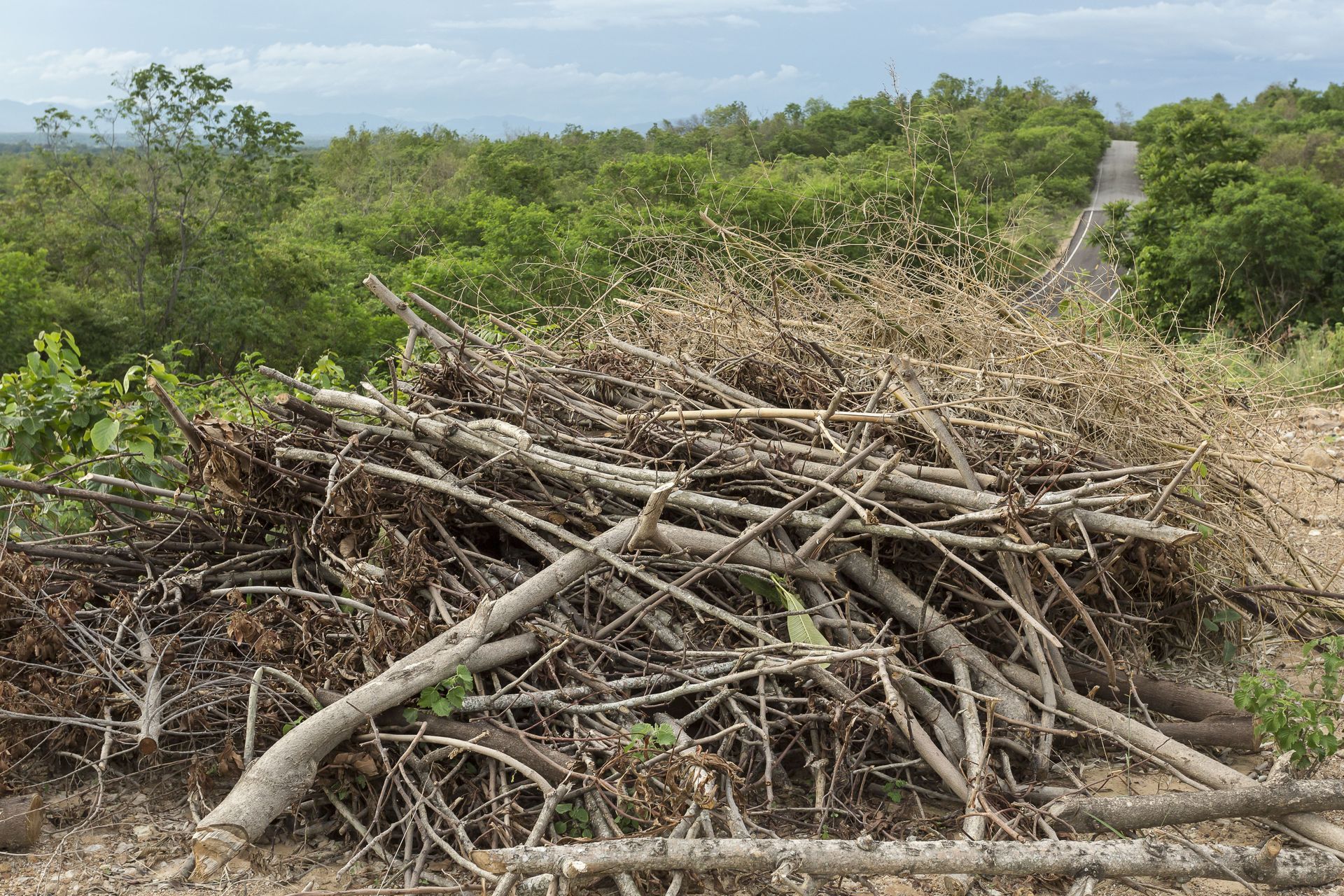
Deadwood refers to any non-living wood within a tree or on its fallen branches. It can be observed as dried-out limbs, stems, or whole tree parts that have ceased active growth. The presence of deadwood within a tree is often characterized by a brittle texture and a lighter color compared to living tissue. It plays a crucial role in ecosystems by providing habitat and nutrients, but in excess, it can become problematic. Balancing natural processes and human intervention can alleviate the negative effects of accumulated deadwood.
Ecological Impact of Deadwood Accumulation
While a certain amount of deadwood is natural and ecologically beneficial, too much can lead to negative environmental impacts. Excessive deadwood serves as a reservoir for pests and diseases, potentially infecting healthy trees. Additionally, it poses fire hazards, particularly in dry climates prone to wildfires. According to online platform Nature, across all models and climate scenarios, 21st-century deadwood formation exceeded deadwood decomposition by 5.0%. This imbalance suggests a growing need for active management to mitigate ecological and safety risks.
Common Causes of Deadwood Formation
Deadwood is primarily formed due to natural aging processes, where older tree parts cease to function and die off. Environmental stressors such as extreme weather, pollution, or poor soil conditions can also exacerbate deadwood production. Physical damages from human activities or wildlife can further contribute to deadwood formation. Inefficient nutrient uptake due to compacted soil or root competition may lead to localized deadwood development. Management techniques like pruning and nurturing healthy soil conditions can minimize these factors.
Signs and Symptoms of Deadwood in Trees
Visible signs of deadwood include discolored bark, detaching branch sections, and brittle, easily breakable wood. Such signs often manifest in the uppermost branches, where the tree is potentially diseased or stressed. Lack of leaf development in certain branches during spring can also indicate deadwood presence. Observing animal activity, such as bird nesting or insect infestation, could suggest deadwood as a habitat. Promptly identifying these symptoms allows for targeted management interventions to preserve surrounding tree health.
The Role of Deadwood in Natural Ecosystems
Deadwood offers crucial ecological benefits by providing habitat for various species such as insects, fungi, and birds. It acts as a nutrient reservoir, facilitating the decomposition process that enriches the soil. However, the challenge lies in managing deadwood quantities, ensuring that these benefits do not overshadow the potential risks. Ecological balance is crucial; too much deadwood could lead to disease outbreaks and increase fire risks in vulnerable areas. Effective management entails blending ecological knowledge with practical landscape maintenance strategies.
Why Deadwood Removal is Essential
Health Benefits for Trees and Plants
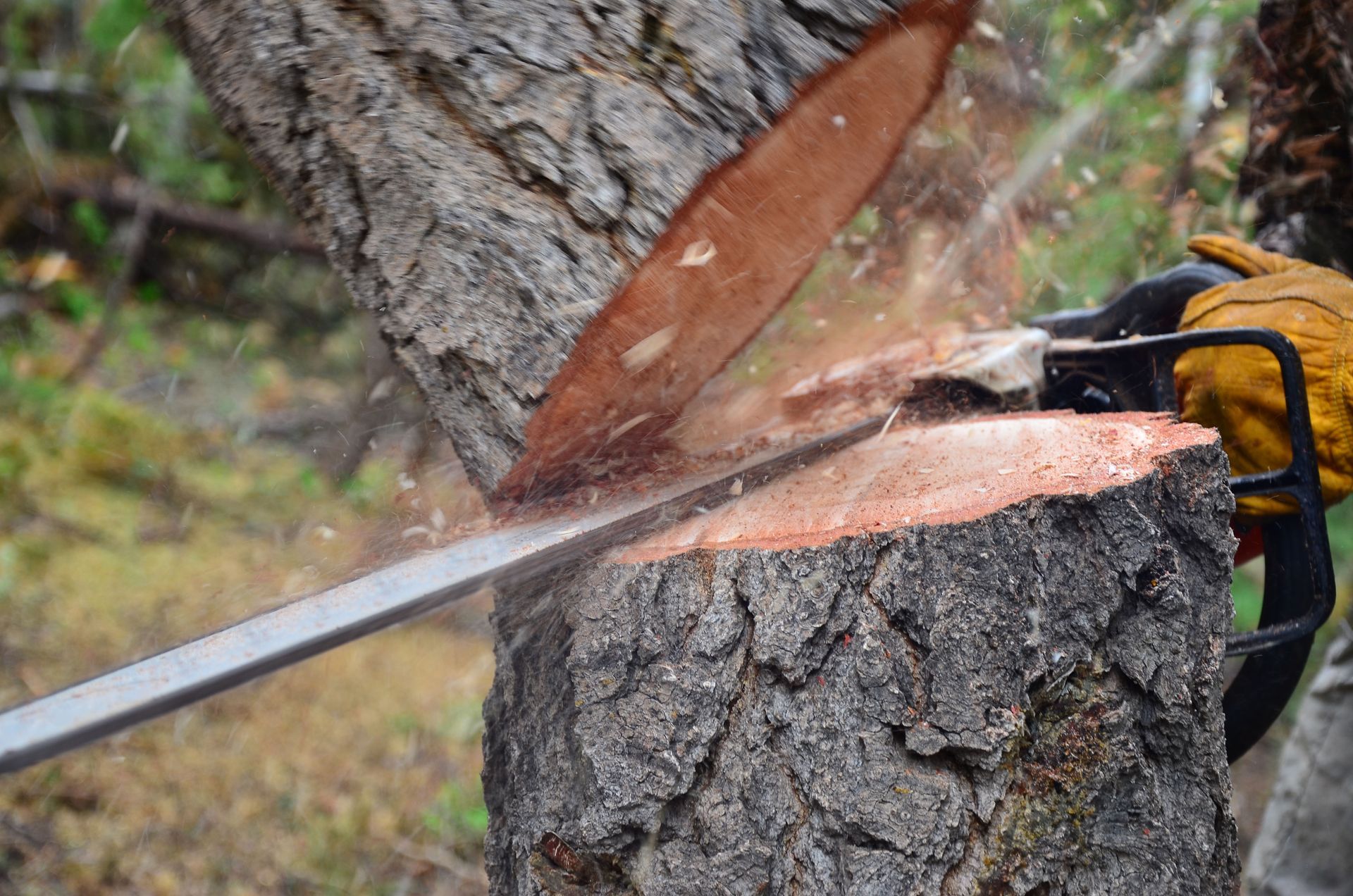
Removing deadwood is fundamental to promoting healthy tree growth and vitality. By cutting away infected or decaying branches, trees can redirect resources towards healthier parts of their structure. Doing so helps sustain robust tree health, reducing competition for nutrients and exposure to further disease threats. This practice extends to surrounding plants; healthier trees contribute to a balanced ecosystem, supporting biodiversity. Ultimately, regular deadwood removal reinforces the overall resilience of green spaces.
Preventing the Spread of Pests and Diseases
Deadwood often acts as a breeding ground for pests and vectors of infectious plant diseases. Insects like termites and beetles, as well as fungal pathogens, thrive in neglected deadwood environments. Removing these potential breeding sites curtails infestations, limiting the spread to other healthy trees. Properly managing deadwood ensures trees remain less vulnerable to detrimental outbreaks. Proactive measures increase the likelihood of maintaining a disease-free environment in cultivated landscapes.
Reducing Risks of Fire Hazards
The accumulation of flammable materials such as dry deadwood heightens the risk of fires. In dry seasons or arid regions, these risks are particularly severe, potentially leading to catastrophic wildfires. By actively managing deadwood, tree owners and land managers can reduce emergency situations and protect human life and property. Such intervention plays an integral role in fire prevention plans in at-risk locations. Reduced fire risks translate to safer environments, especially in densely vegetated or populated areas.
Safeguarding Against Structural Damage
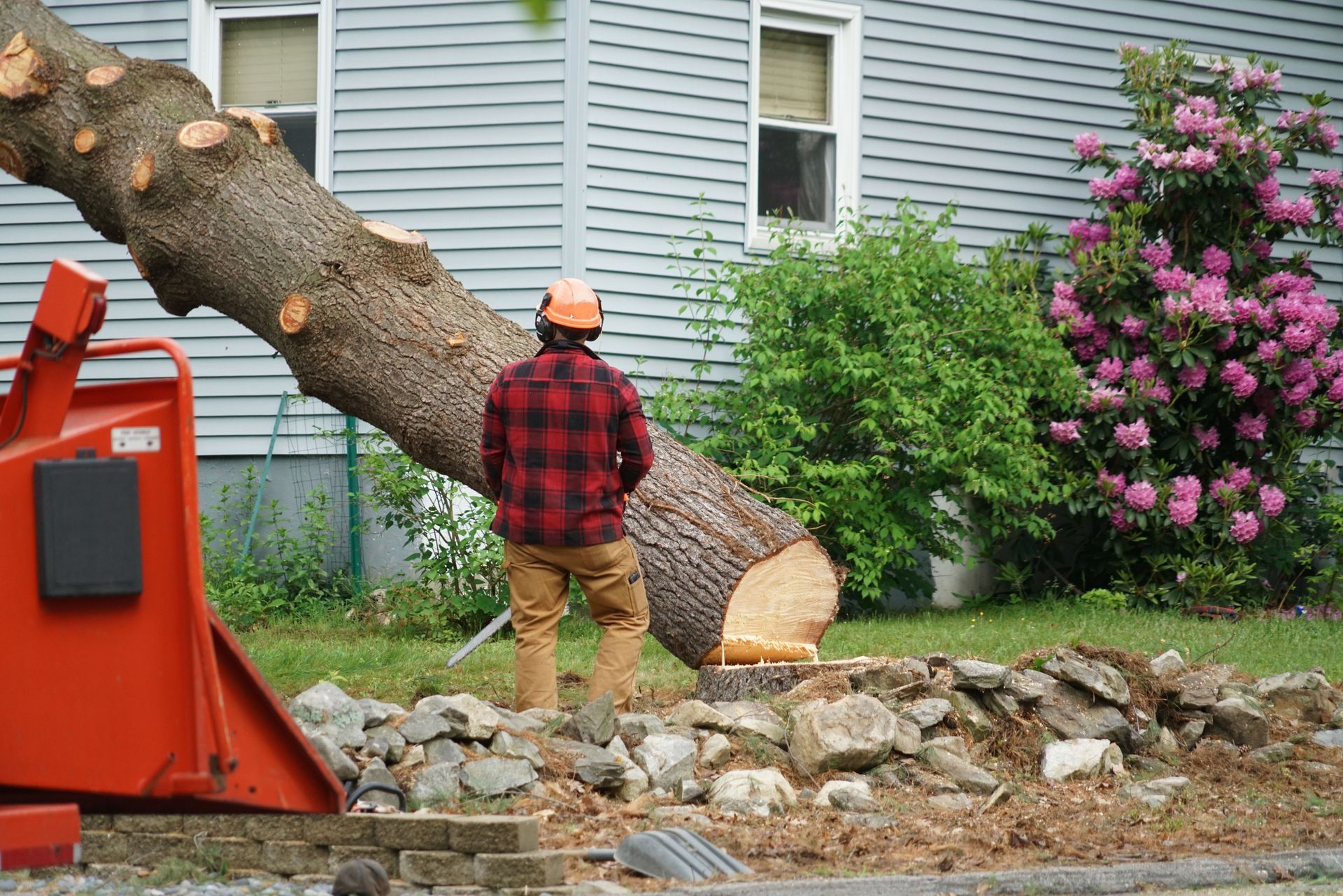
Deadwood poses potential threats to nearby structures if fallen limbs occur unexpectedly. During stormy weather, weakened branches can detach and cause damage to buildings, vehicles, or utility lines. By mitigating deadwood risks, owners protect property and reduce costly repairs or liabilities. Furthermore, public spaces benefit from fewer accidents involving pedestrian paths or infrastructure. Regular deadwood management contributes to community safety and long-term structural preservation.
Long-term Benefits of Regular Deadwood Management
Sustained Tree Health and Growth
Consistent deadwood management contributes to long-term tree health by preserving resource allocation and boosting resilience against stressors. By removing unhealthy growth, trees focus on developing sound structures and defenses. Regular maintenance fosters robust root systems adaptive to changing climates and soil conditions. Healthier trees provide a buffer against pest invasions, ensuring their survival and coexistence with surrounding vegetation. Informed and routine deadwood management translates to thriving tree populations that support a dynamic ecosystem.
Improved Biodiversity and Habitat Quality
Strategic deadwood management enhances habitats by preserving the balance of natural resources and living spaces available to diverse species. Managed landscapes encourage varied plant, insect, and wildlife species to thrive, boosting ecological richness. Healthy biodiversity supports ecosystem functions like pollination, seed dispersal, and nutrient cycling. A flourishing habitat network elevates local conservation efforts and ecosystem productivity. Ultimately, ecological vibrancy is sustained through carefully managed deadwood levels with long-term environmental benefits.
Increased Property Value and Curb Appeal
Well-maintained landscapes incorporating deadwood removal efforts can significantly increase property value by emphasizing aesthetic appeal. Pristine green spaces convey effective stewardship and create inviting environments for residents, visitors, and prospective buyers alike. Landscape value appreciation serves as an incentive for mindful tree care, prompting greater investment in plant health. Improved curb appeal enhances social and cultural value, creating aesthetically pleasing and psychologically uplifting surroundings. Ultimately, maintaining appealing environments contributes to cohesive and prosperous communities.
Environmental and Climatic Advantages
The consistent removal of deadwood in landscapes aligns with broader environmental sustainability goals. By limiting disease spread, tree health is preserved, enhancing carbon sequestration potential and temperature regulation, supporting climate mitigation efforts. Healthier trees contribute to stronger defenses and resilience against climate-induced stress and volatility. Energy savings associated with reduced heating and cooling demands arise from greener environments and natural shade. Overall, proactive deadwood management reconciles individual and global environmental benefits for progressive climate resilience.
Through careful management and removal of deadwood, we can protect and enhance the health and vitality of trees and landscapes, contributing to safer, more sustainable, and aesthetically pleasing environments. As communities recognize the value of green spaces, commitment to deadwood management becomes central to protecting ecosystems and enriching human-nature interactions. Ultimately, successful deadwood interventions bind individuals, communities, and landscapes with enduring environmental purposes and goals. If you need reliable
deadwood removal, reach out to Affordable Tree Care today!