May 20, 2026
Trees add beauty, shade, and value to residential and commercial properties, but they can also become dangerous when they are damaged or unstable. Severe weather, aging, root issues, and decay can weaken trees over time, creating safety concerns for homeowners and nearby structures. While healthy trees improve curb appeal, hazardous trees can quickly become serious liabilities if left untreated.
Many property owners do not realize how quickly tree damage can become a major risk. Cracked trunks, leaning growth, and dead limbs often point to larger structural problems. During storms or high winds, weakened trees are more likely to fall or lose heavy branches. Professional tree removal services help identify these hazards early and provide safe solutions that protect both people and property.
Identifying Weakening Trees
Recognizing the signs of a weakening tree is one of the most important parts of responsible property maintenance. Trees can suffer damage from storms, lightning strikes, soil erosion, pest infestations, or construction activity. In some situations, the damage is visible immediately, while in others it develops slowly over time. Property owners who pay attention to early warning signs can often avoid costly emergencies later.
A tree may continue producing leaves even while suffering from severe internal decay. Because of this, many homeowners assume a tree is healthy simply because it still appears green during the growing season. However, symptoms such as hollow trunks, fungal growth near the base, peeling bark, and large dead branches may point to serious structural weakness. Leaning trees or exposed roots can also indicate instability beneath the surface.
Professional evaluations help determine whether a tree can be preserved or if removal is necessary. Specialists examine branch strength, trunk condition, root systems, and surrounding environmental factors before making recommendations. Many homeowners rely on tree removal services because trained professionals can identify hidden risks that are easy to overlook without experience.
Removing Dying Trees
Dead or dying trees create major safety hazards because brittle wood becomes unpredictable over time. Limbs may snap unexpectedly, and entire sections of a tree can collapse during strong winds or heavy rain. These falling branches can damage roofs, vehicles, fences, utility lines, and landscaping. In some situations, they can also cause serious injuries to people nearby.
Trees in decline often show signs long before they die completely. Sparse leaves, discoloration, insect activity, and decaying limbs are all common indicators that a tree is struggling. Disease and pest infestations may also spread from unhealthy trees to nearby vegetation, placing the rest of the landscape at risk. Removing a dying tree early can help prevent larger issues throughout the property.
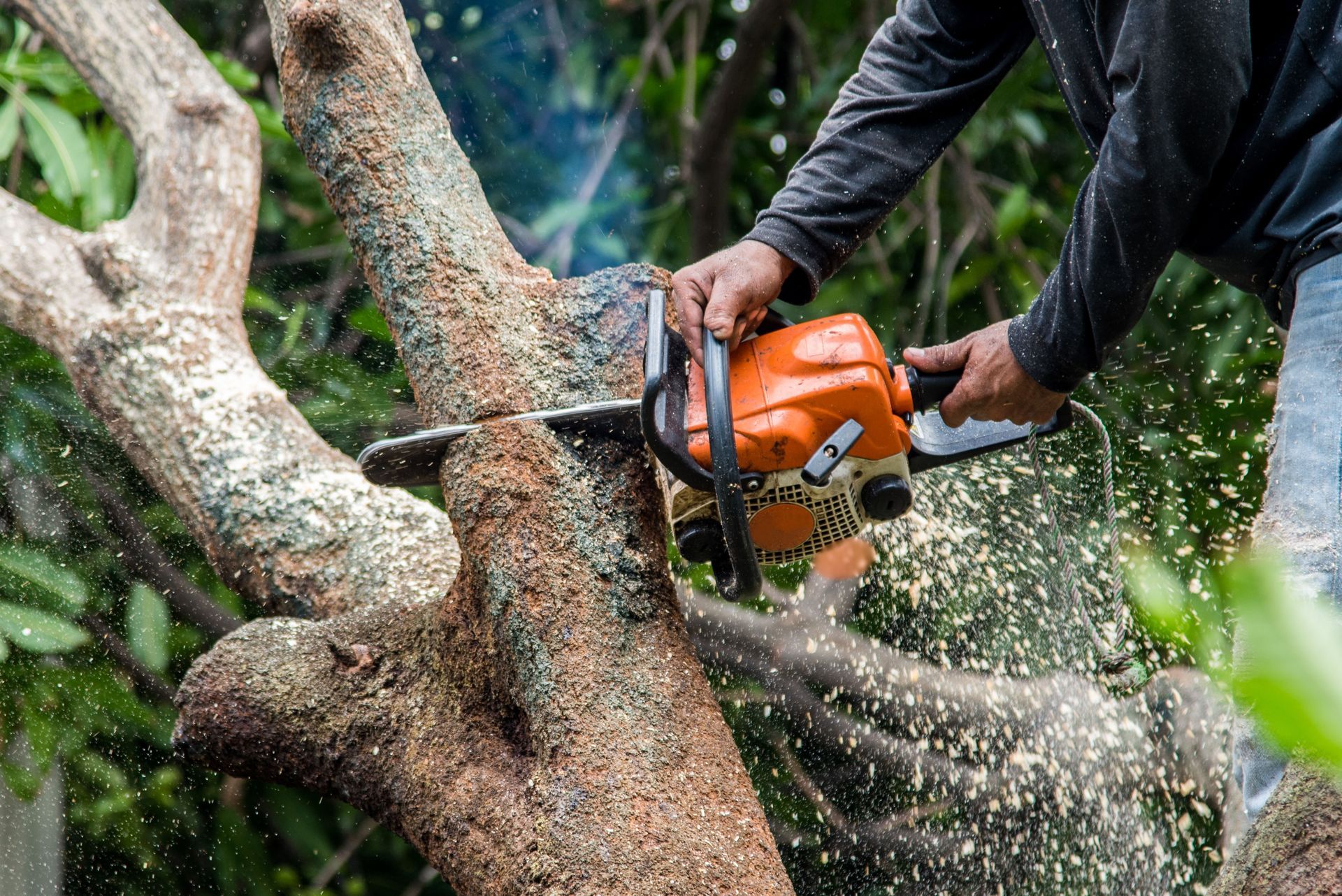
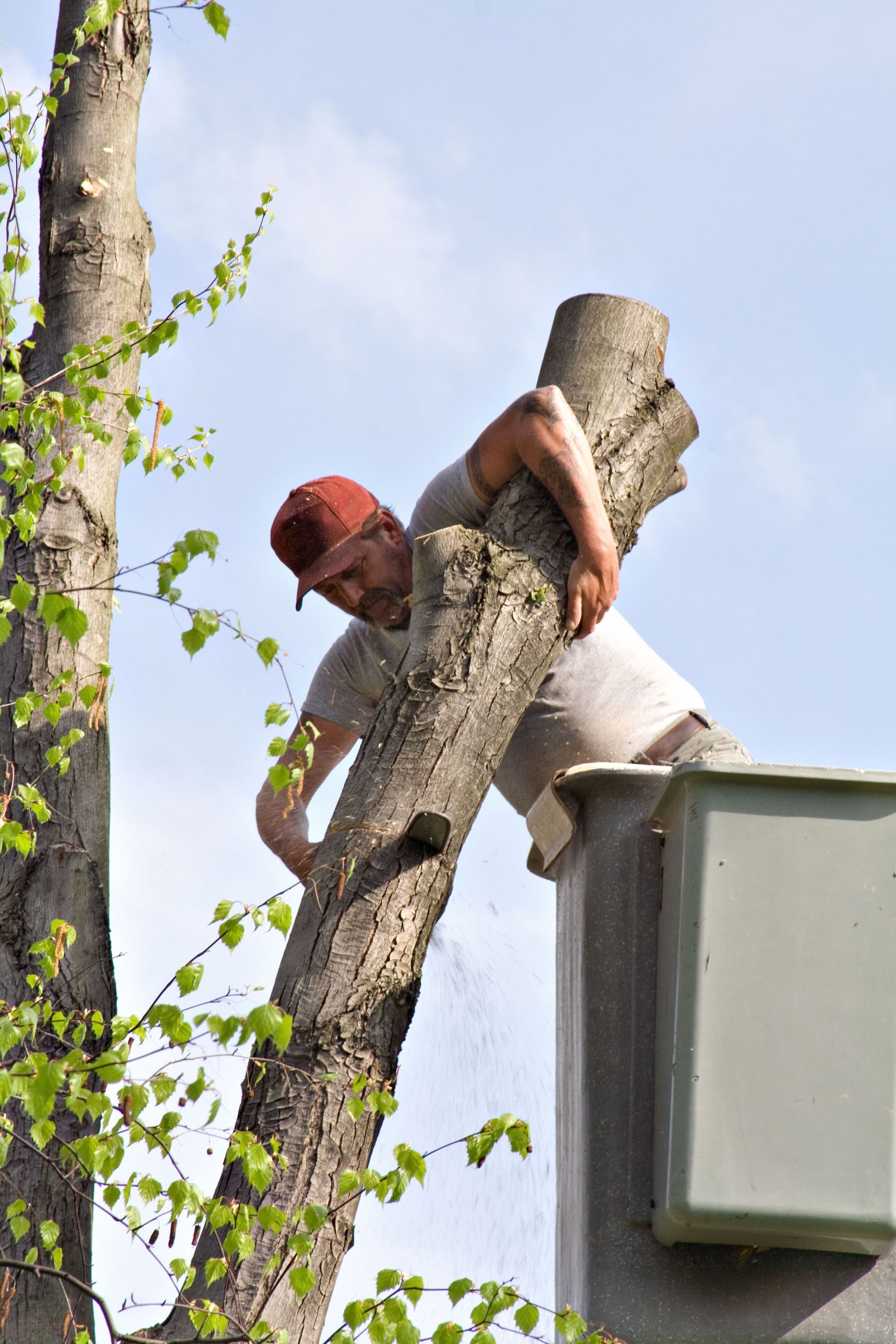
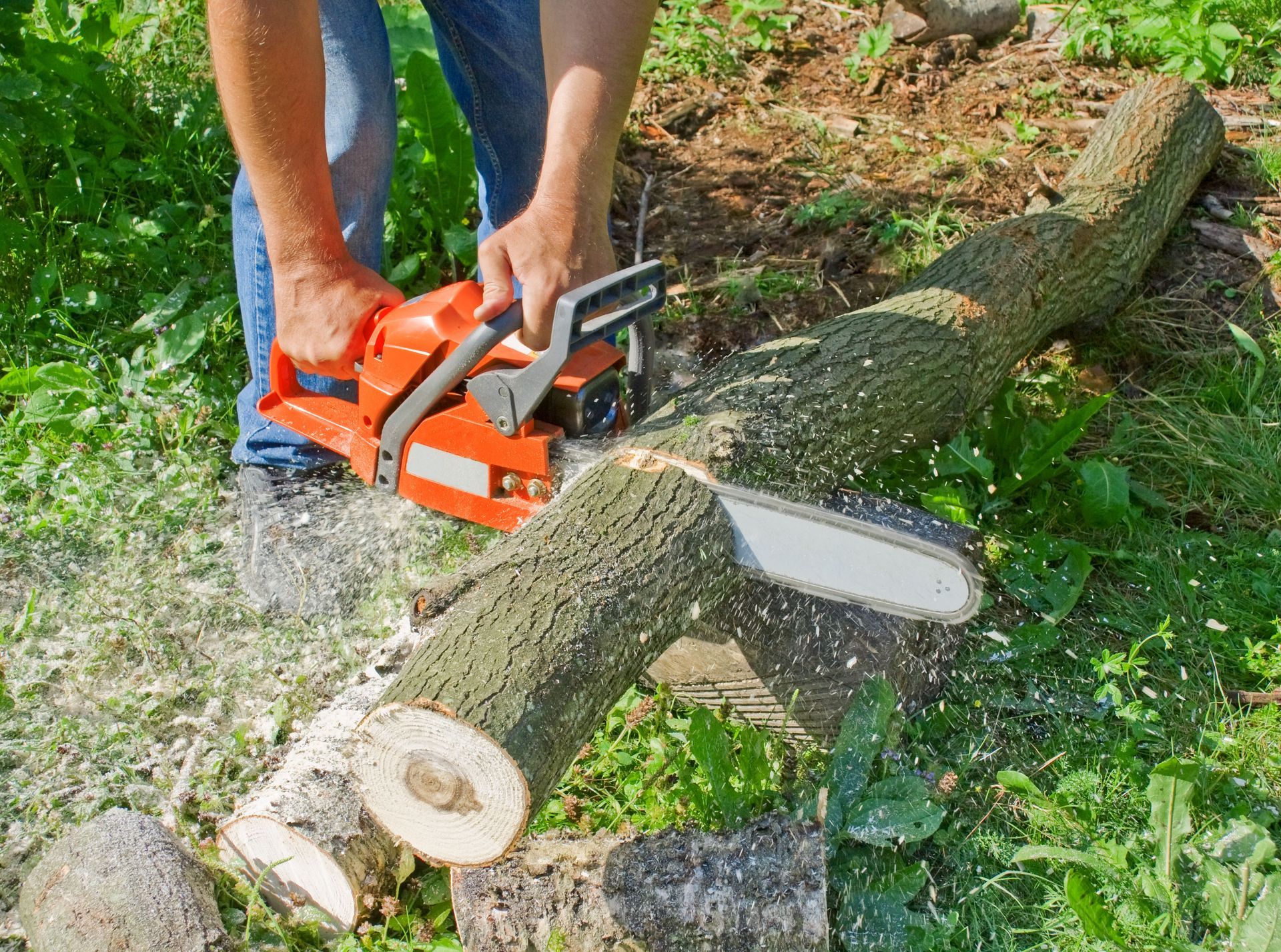
Professional crews understand how to safely dismantle unstable trees while minimizing damage to the surrounding area. Dead trees are often more fragile than healthy ones, making removal dangerous without proper equipment and training. Controlled cutting methods and specialized tools help ensure the process is completed safely and efficiently. This is one reason many homeowners choose professional tree removal services instead of attempting risky removal work on their own.
Managing Hazardous Trees
Hazardous trees are those that pose immediate risks because of instability, storm damage, or severe structural weakness. Trees leaning toward homes, garages, sidewalks, or power lines require prompt attention to prevent accidents. Heavy branches hanging over driveways or roofs can also become dangerous during severe weather conditions.
Storms are one of the most common causes of hazardous tree situations. High winds, heavy rain, and ice accumulation place tremendous pressure on weakened trunks and branches. According to Arboriculture & Urban Forestry, urban tree cohorts experience significant post-planting mortality, with research indicating that nearly half of all planted urban trees are either dead or require physical removal within 13 to 18 years after planting, primarily due to environmental stressors such as high surrounding impervious surfaces. This demonstrates how environmental conditions and long-term stress can contribute to dangerous tree-related problems.
Trees growing near utility lines create additional concerns because fallen branches can interrupt electrical service or create fire hazards. In these situations, professional handling is essential for maintaining safety and preventing further damage. Experienced tree removal services help property owners address these risks before weather events turn them into emergencies.
Assessing Tree Conditions
Tree assessments play a key role in maintaining safe outdoor spaces. A professional inspection helps determine whether a tree is healthy enough to remain standing or if internal damage has compromised its stability. While some issues are visible externally, others may develop inside the tree where they are difficult for homeowners to detect.
During an assessment, professionals inspect the trunk, canopy, branches, and root system for signs of disease, decay, or structural weakness. Soil conditions and drainage patterns are also important because unstable soil can reduce root support over time. Trees growing in compacted or poorly drained areas often experience additional stress that weakens their overall condition.
Professional assessments also help homeowners avoid unnecessary removals. Some trees can be preserved with pruning, cabling, or ongoing maintenance instead of complete removal. Others may present too much risk to remain standing safely. By working with qualified tree removal services, property owners can make informed decisions that balance safety, appearance, and landscape health.
Preventing Property Damage
Preventative tree management can save homeowners from expensive repairs and unexpected emergencies. Weak or unstable trees often display warning signs before they fail completely. Ignoring these indicators may allow problems to worsen until branches fall onto structures, vehicles, or neighboring properties during storms.
Large trees located close to homes require extra attention because structural failures can cause significant damage. Roofs, fences, windows, and outdoor structures are all vulnerable when unstable trees collapse. Root systems may also interfere with sidewalks, driveways, or underground utilities over time. Removing hazardous trees before failure occurs helps reduce liability risks and protect the property.
In addition to improving safety, tree removal can improve visibility and accessibility throughout the landscape. Overgrown or damaged trees sometimes block pathways, lighting, or outdoor living spaces. Clearing unsafe trees creates cleaner and more functional environments while reducing future maintenance concerns. Many homeowners use tree removal services to maintain both curb appeal and long-term property safety.
Supporting Landscape Health
Removing unhealthy trees often benefits the rest of the landscape as well. Diseased or dying trees compete with surrounding plants for sunlight, water, and nutrients. In some cases, insect infestations or fungal diseases spread from weakened trees to nearby healthy vegetation. Eliminating these problem trees helps create healthier growing conditions throughout the property.
Crowded landscapes can also limit airflow and sunlight exposure, making it harder for healthy trees to thrive. Selective removal creates additional space for stronger growth and improved root development. Better spacing can also reduce moisture buildup that contributes to disease and decay.
Many property owners hesitate to remove mature trees because they add beauty and shade to the yard. While preserving healthy trees is important, keeping dangerous or declining trees can create larger problems over time. Professional guidance helps homeowners determine when removal is necessary for the safety and health of the overall landscape. Reliable tree removal services provide solutions that support both property protection and long-term environmental care.
Damaged, dead, and hazardous trees can quickly become serious safety concerns when left unmanaged. Storm damage, disease, decay, and aging all contribute to structural weaknesses that increase the risk of falling limbs and property damage. Identifying these issues early allows homeowners to take preventative action before emergencies occur.
Professional tree care services provide the experience, equipment, and knowledge needed to handle dangerous situations safely. From detailed inspections to complete removals, trained crews help maintain safer and healthier outdoor spaces. In addition to improving safety, proper tree management also supports stronger landscaping and more attractive properties.
Whether dealing with storm damage, unstable trees, or ongoing maintenance concerns, professional assistance can make the process far more manageable. For dependable support and experienced care, contact Affordable Tree Care today.