August 24, 2026
Tree removal is an essential service for many homeowners for reasons spanning safety to landscape management. While trees are invaluable assets to properties, circumstances such as disease, damage, or unwanted growth may necessitate their removal. Opting for professional tree removal services ensures not only efficiency but also significantly mitigates potential risks. This article delves into what homeowners should expect during the process of professional tree removal, ensuring they are well-informed and prepared.
Understanding the Need for Professional Tree Removal
Reasons for Tree Removal
Various factors might lead a homeowner to consider tree removal. Common reasons include disease-infected trees, storm damage, or interference with power lines. Overgrown roots might threaten foundations or sidewalks, prompting the need for removal. Safety is another critical consideration, especially if a tree poses a risk of falling. Additionally, aesthetic reasons, such as improving property views, might necessitate removing certain trees.
Risks of DIY Tree Removal
The thought of doing a tree removal project yourself might appeal due to cost savings, but it carries significant risks. Without professional-grade equipment and expertise, homeowners expose themselves to potential injury and property damage. Novices may underestimate the tree's weight, leading to accidents or even severe injuries. Moreover, improper removal can harm the environment and violate local regulations. It is generally safer and more cost-effective in the long run to hire experts for this task.
Benefits of Hiring Professionals
Engaging professional tree removal services brings numerous advantages to the table. Experts bring in-depth knowledge in assessing tree health and the exact techniques required for safe removal. Professionals are also insured, offering homeowners peace of mind against any unforeseen damages or accidents. Additionally, they handle the job quickly and efficiently, minimizing disruption to your daily life. According to This Old House, the time required for tree removal varies based on the tree's size and type, ranging from a quick 15 minutes to several hours.
Assessment of Tree Health
A critical component of professional tree removal is the initial assessment of tree health. Experts can determine whether a tree requires removal or simply needs care, such as pruning. This assessment also identifies potential hazards associated with the tree, thus aiding in necessary precautionary measures. It helps ensure that the right plan of action is initiated, safeguarding both plants and humans involved. Their assessment guides them in choosing suitable removal techniques and equipment, thereby reducing time spent.
Initial Consultation and Assessment
Scheduling an On-Site Evaluation
The first step in the removal process is scheduling an on-site evaluation with a tree service provider. During this evaluation, the professionals examine the tree and gather relevant data for effective planning. Homeowners should ensure they choose an appointment time that allows thorough assessment without disruptions. An initial evaluation enables experts to gauge the complexity of removal. With this information, they can outline a tailored approach to remove the tree safely.
Tree Inspection and Diagnosis
A comprehensive inspection follows the preliminary evaluation, focusing on the tree's current health and structural integrity. Experts look for signs of disease or infestations, which might necessitate specialized handling. Diagnosis during this phase is crucial as it dictates the most suitable removal technique. Trained arborists interpret these findings and communicate them clearly to homeowners. This elucidation builds transparency and fosters trust with the client.
Discussion of Client Needs and Concerns
Effective communication between homeowners and tree professionals is essential for project success. Discussions cover the precise concerns and desired outcomes of the homeowner regarding tree removal. This dialogue ensures that both parties are on the same page and that expectations are aligned. Professionals are available to clear doubts or provide solutions to client concerns. This stage also aids in understanding client flexibility regarding timeframes or additional services needed.
Quoting and Estimating the Cost
After fully assessing the scope of work, the tree removal service prepares a quote. This quote should detail the services provided, including labor, equipment use, and cleanup. Various factors influence the estimate, such as the complexity of the job and required safety measures. Transparent and clear quotations eliminate future disputes or dissatisfaction. It allows homeowners to proactively plan their budget and evaluate the cost-benefit ratio.
Preparation for Tree Removal
Site Preparation and Safety Measures
Preparation is vital to a smooth and efficient tree removal process. Professionals take measures to secure the site, emphasizing safety for both personnel and nearby property. This safeguarding involves setting up barriers and removing obstacles to ensure unobstructed access to the tree. Evaluating the risk of damage to surrounding structures is also part of preparation. Thorough preparation can significantly reduce the likelihood of accidents or unexpected complications during the process.
Equipment and Tools Used
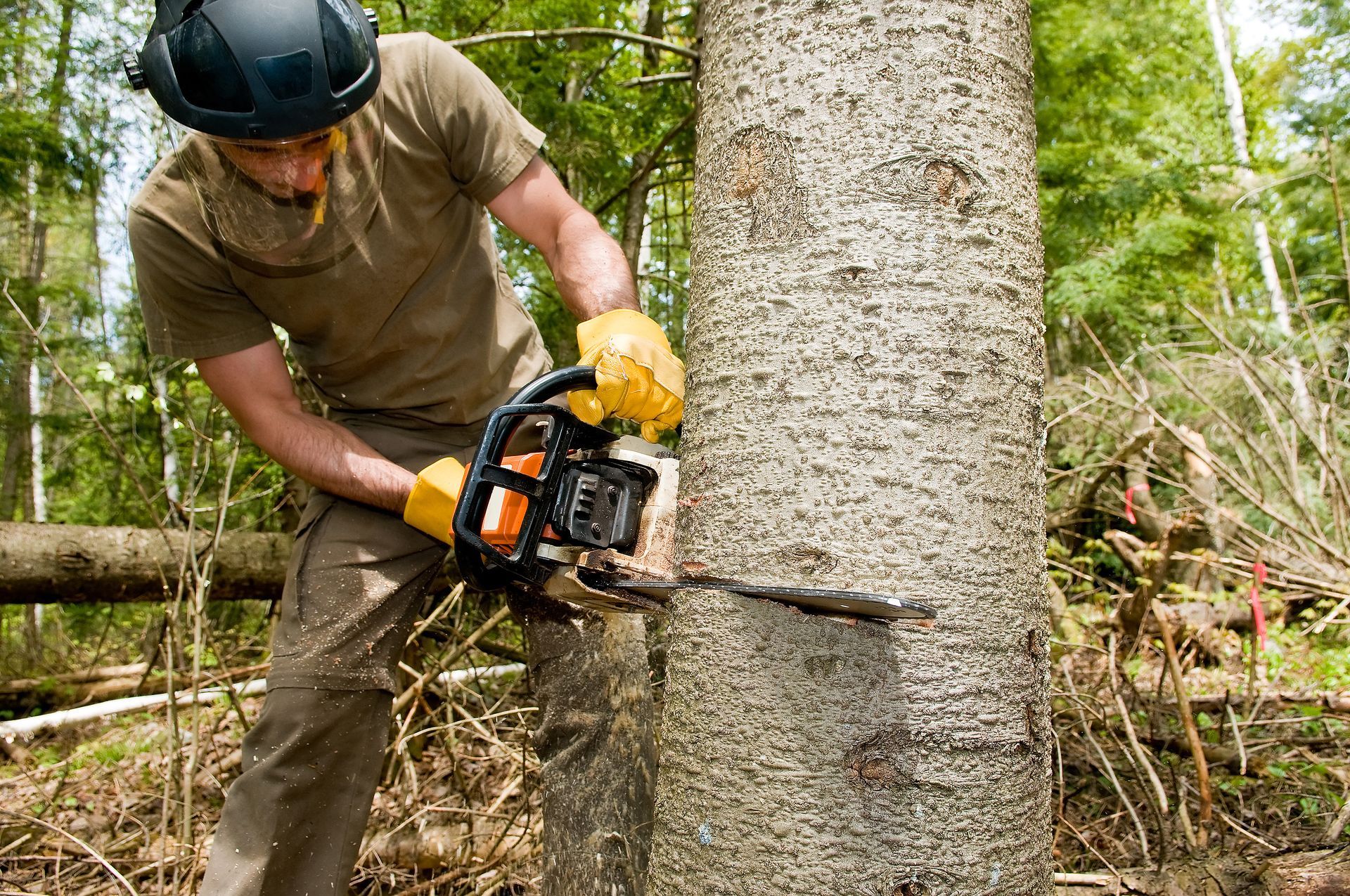
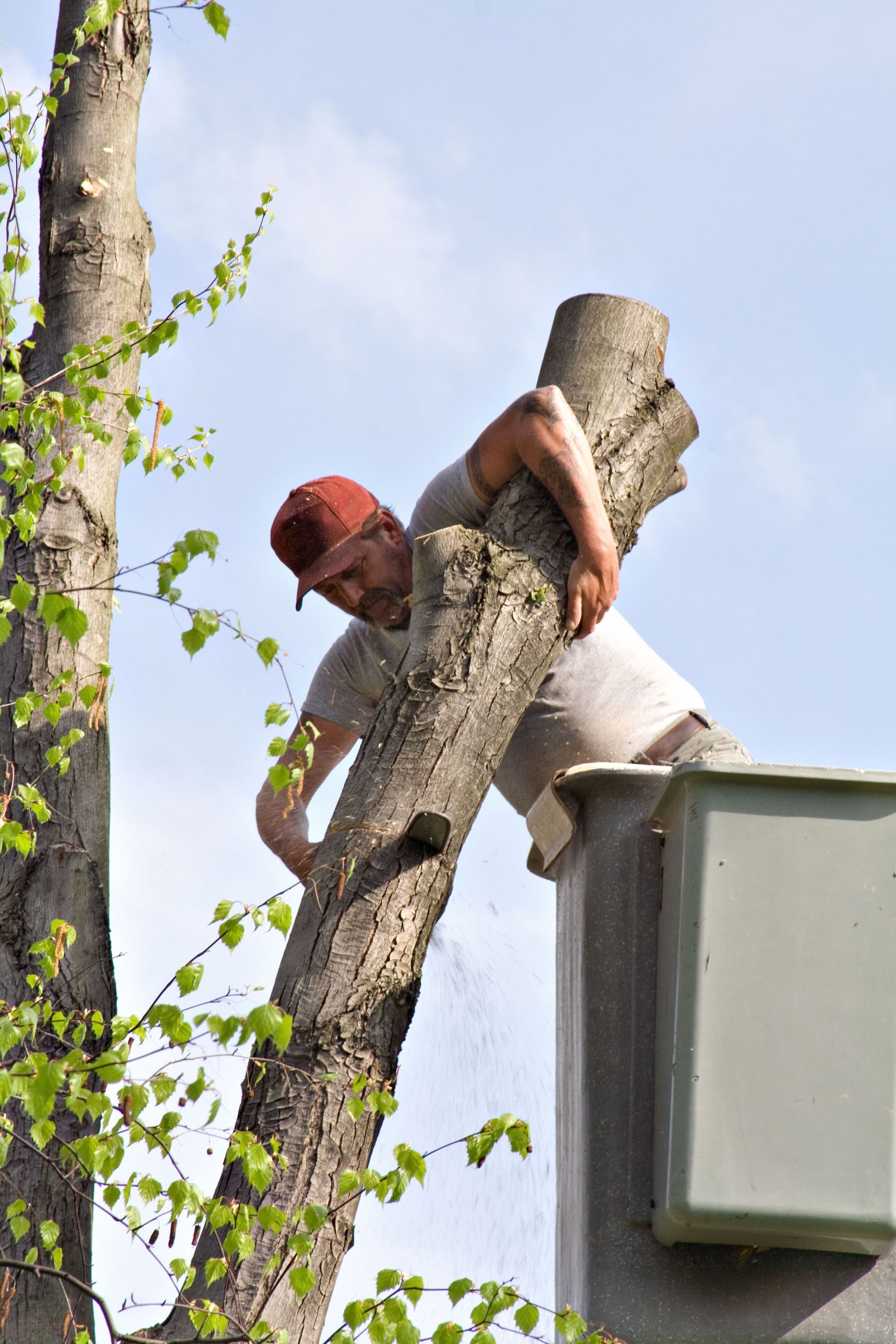
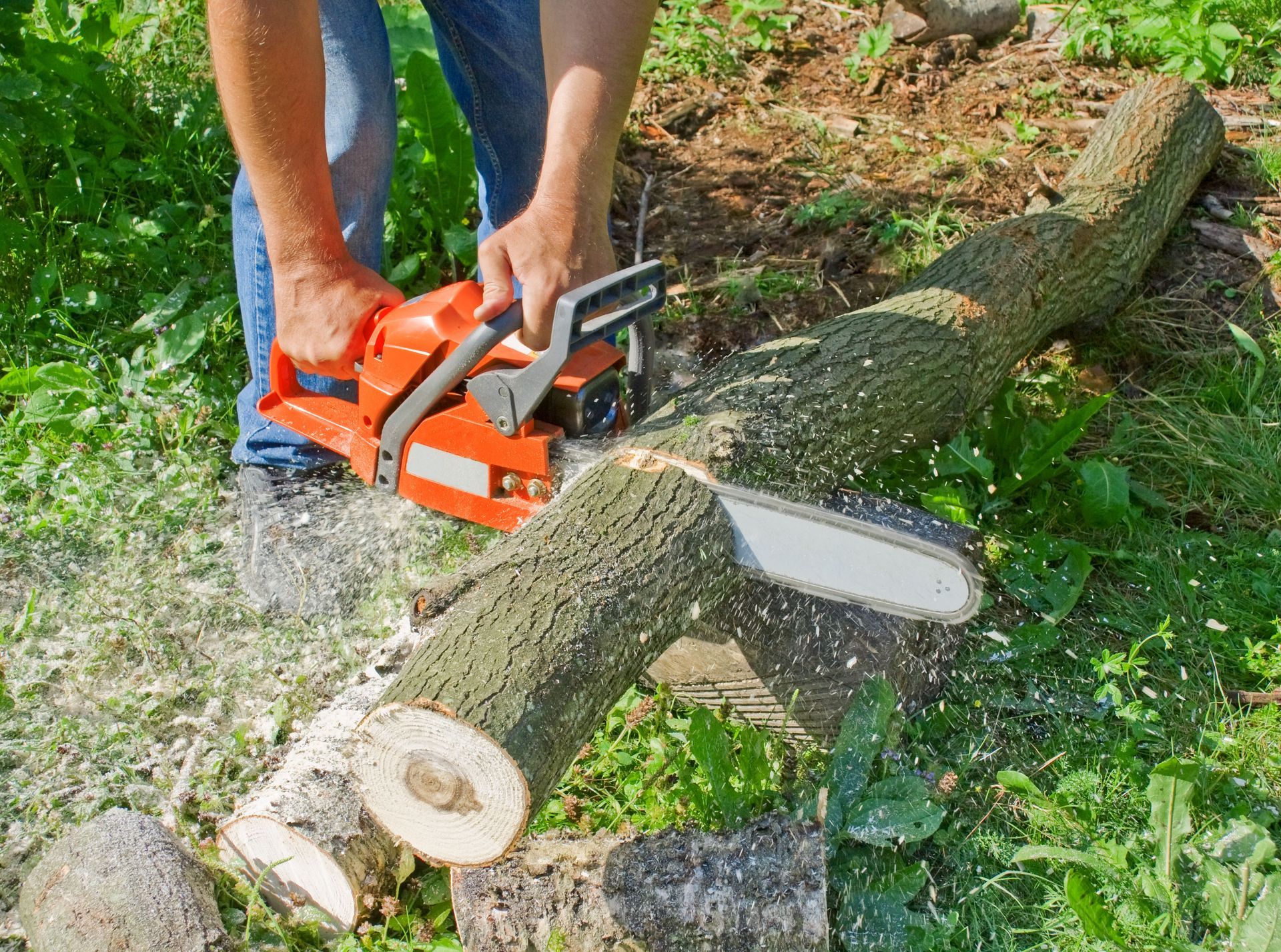
Professional tree removal necessitates specialized tools and machinery. The choice of equipment depends on the tree's size and specific challenges presented by the removal task. Common tools include chainsaws, ropes, harnesses, and sometimes cranes for larger trees. Proper handling and expert use of this equipment ensure precision and safety throughout removal. Professionals are trained to leverage these tools efficiently, reducing the removal time and enhancing safety.
Environmental Considerations
Responsible tree removal includes consideration of environmental impact. Professionals take steps to minimize soil disruption and contain any chemical residues that could arise during the process. They may also utilize sustainable disposal practices or recycle tree debris when feasible. Environmental protection is prioritized, hence they adhere to best practices that ensure the surrounding ecosystem remains unaffected. The goal is to remove the tree with minimal ecological footprint.
Permits and Regulations
Depending on local laws, tree removal might require obtaining specific permits. Professional services are well-versed in the regulatory frameworks governing tree removal and ensure compliance. They assist homeowners in navigating permit applications, streamlining the administrative aspect of removal projects. Compliance with these laws prevents potential fines or legal issues from improper tree removal. Expert knowledge ensures adherence to all statutory requirements, granting peace of mind to homeowners.
The Tree Removal Process
Step-by-Step Removal Procedures
Each tree removal follows a systematic sequence to enhance efficiency and safety. The task typically begins with an assessment followed by a strategic plan for cutting and removing branches. Professionals execute action plans sequentially, adapting techniques as needed for each unique situation. Proper procedure sequence is crucial in handling large trees, ensuring balance, and avoiding mishaps. Step-by-step adherence to the plan streamlines the overall process, maintaining high safety standards.
Safety Protocols for Personnel and Property
The safety of both personnel and the property is a paramount concern during tree removal. Teams follow rigorous safety protocols to protect against potential hazards associated with the operation. Heel, eye, and body protection are mandatory, while ensuring proper tool handling mitigates injury risks. Further precautions include securing adjacent properties from falling debris or accidental damage. Safety protocols are a core emphasis, ensuring that all areas attain the highest measures of safety and precaution.
Timeframe and Scheduling
Planning and time management is critical in executing an efficient tree removal process. The timeframe is influenced by factors such as the tree's size, accessibility, and environmental conditions. Professional teams prioritize efficient scheduling to accommodate homeowners' time preferences while maintaining operational availability. Efficient scheduling ensures the process runs smoothly, minimizing disruptions to the homeowner's routine.
Handling of Tree Debris
Efficient handling and disposal of tree debris are integral to professional tree removal services. Teams segregate wood, branches, leaves, and other materials for proper disposal, recycling, or use as firewood. The aim is to clear the site, leaving no debris scattered, preventing environmental disruption and maintaining cleanliness. Professionals utilize chippers and hauling equipment to handle large debris effortlessly. Proper debris management enhances site aesthetics and contributes to sustainable practices.
Opting for professional tree removal services guarantees safety, efficiency, and the satisfaction of having the job done right. Homeowners should expect a comprehensive approach encompassing assessment, planning, execution, and follow-ups. This ensures the process is smooth, predictable, and tailored to their specific needs. Informed decisions based on understanding these aspects empower homeowners to maintain and enhance their property's landscape responsibly. If you're looking for professional tree removal services, contact Affordable Tree Care today.