August 24, 2026
Trees lend dynamic, organic beauty, refreshing shade, and irreplaceable structural character to residential landscapes. However, maintaining mature canopy trees requires persistent vigilance and active stewardship to protect nearby structures, utility infrastructure, and family safety. Over time, individual branches weaken, lose vital sap flow, decay, or succumb to intense environmental stressors, gradually transforming once-healthy limbs into hazardous overhead risks. Identifying problematic branches long before structural failure occurs is a fundamental responsibility for every conscientious property owner. Proactive canopy management prevents costly residential property damage, shields overhead power lines, and keeps living canopies vibrant, resilient, and aesthetically pleasing. Understanding how to systematically evaluate overall tree health, recognize subtle visual warning signs, and determine when certified professional intervention becomes essential ensures your landscape remains both visually breathtaking and completely secure. Taking timely, decisive action against declining branches preserves long-term structural integrity, enhances overall aesthetic appeal, and extends tree longevity across every changing season.
Spotting Visual Signs of Decay
Recognizing deteriorating branches begins with a methodical visual inspection of the upper canopy during active growing months. Unhealthy or dying limbs almost always exhibit noticeable physical changes long before structural collapse occurs. One obvious indicator is complete defoliation during late spring or summer when surrounding limbs display dense, lush foliage. Missing leaves, undersized leaf growth, discolored foliage, or premature autumn color shifts signal severe internal stress and declining vascular health throughout the branch network. Furthermore, closely examining bark texture provides invaluable clues regarding underlying timber health. Peeling, flaking, cracking, or completely missing bark usually exposes decaying sapwood beneath. Fungal growths, such as bracket fungi, shelf mushrooms, or fleshy conks clinging directly to trunk or branch bark surfaces, confirm active internal decay that systematically weakens tough wood fibers. Additionally, deep hollow cavities, structural cracks, and active carpenter ant activity highlight significant mechanical compromise within main scaffold limbs. Regularly scanning higher branches with binoculars helps property owners catch early decay indicators long before severe windstorms or heavy rainstorms cause unexpected, dangerous failures. When deadwood removal is addressed early, homeowners effectively protect surrounding structures, eliminate sudden branch drop risks around outdoor living areas, and promote healthier foliage development.
Evaluating Structural Hazards
Beyond obvious surface rot, branch alignment, growth orientation, and attachment strength dictate overall canopy safety. Narrow crotches, where major scaffold branches join the primary trunk at sharp V-shaped angles rather than wide U-shaped connections, are inherently weak and highly prone to splitting under physical stress. Heavy, elongated limbs extending horizontally or overhanging rooflines, driveways, patios, walkways, or children's play areas create immense mechanical leverage during strong wind gusts, high humidity, or heavy winter precipitation. When internal rot meets excessive mechanical weight, sudden branch failure becomes an imminent threat to property and personal safety. Homeowners should routinely inspect critical attachment points where major limbs meet central trunks, searching carefully for stress cracks, weeping sap, oozing bark, or sawdust accumulation left by wood-boring insects. Cracks extending along branch undersides indicate severe structural fatigue and immediate failure risk. Furthermore, branches that continuously rub together wear away outer protective bark, creating open wounds where decay-causing organisms easily thrive. Early identification followed by professional deadwood removal mitigates hazards before split limbs crush roofs, smash vehicles, or tear down electrical wiring.
Assessing Environmental Stress Factors
Trees constantly adapt to environmental challenges, but prolonged climatic stress drastically accelerates internal structural decline across vulnerable species. Extreme weather conditions—including extended droughts, intense winter freezes, high wind gusts, and heavy ice accumulation—severely strain mature branch framework. Soil compaction from nearby residential construction, heavy machinery, or repetitive foot traffic starves vital root systems of essential oxygen, organic matter, and soil moisture, preventing critical nutrients from reaching elevated branches. Additionally, physical root damage caused by landscaping excavation or trenching triggers rapid branch dieback directly above affected root zones. According to Nature.com, across all models and climate scenarios, 21st-century deadwood formation exceeded deadwood decomposition by 5.0%. This growing global imbalance emphasizes why individual property owners must remain highly proactive regarding canopy health and structural risk management. Unmanaged, accumulated dry wood dramatically increases localized fire hazards and provides ideal breeding grounds for destructive wood-boring beetles that quickly spread toward healthy neighboring timber. Timely deadwood removal cleanses the canopy, reduces pest attraction, improves sunlight absorption, and restores natural airflow throughout the entire tree structure.
Managing Seasonal Maintenance Tasks
Maintaining structural health and visual appeal requires seasonal inspections carefully aligned with local climate patterns and seasonal shifts. Springtime visual checks reveal whether dormant limbs successfully leaf out or remain entirely barren following severe winter freezes. Late summer provides an ideal window to identify premature leaf dropping, wilting leaves, or sudden branch dieback caused by excessive summer heat and limited groundwater reserves. Autumn windstorms test structural integrity, frequently revealing weak attachment points as dead branches snap, hang loose, or become lodged precariously within upper canopy layers. Winter pruning during natural plant dormancy offers the clearest view of overall branch architecture, allowing safer, far more precise cuts without dense leaf obstructions hiding critical structural flaws. Establishing a systematic seasonal inspection routine helps property owners track health changes over time, catch localized rot early, and arrange professional deadwood removal before severe seasonal storms generate hazardous fall risks around outdoor living spaces.
Understanding Professional Extraction Methods
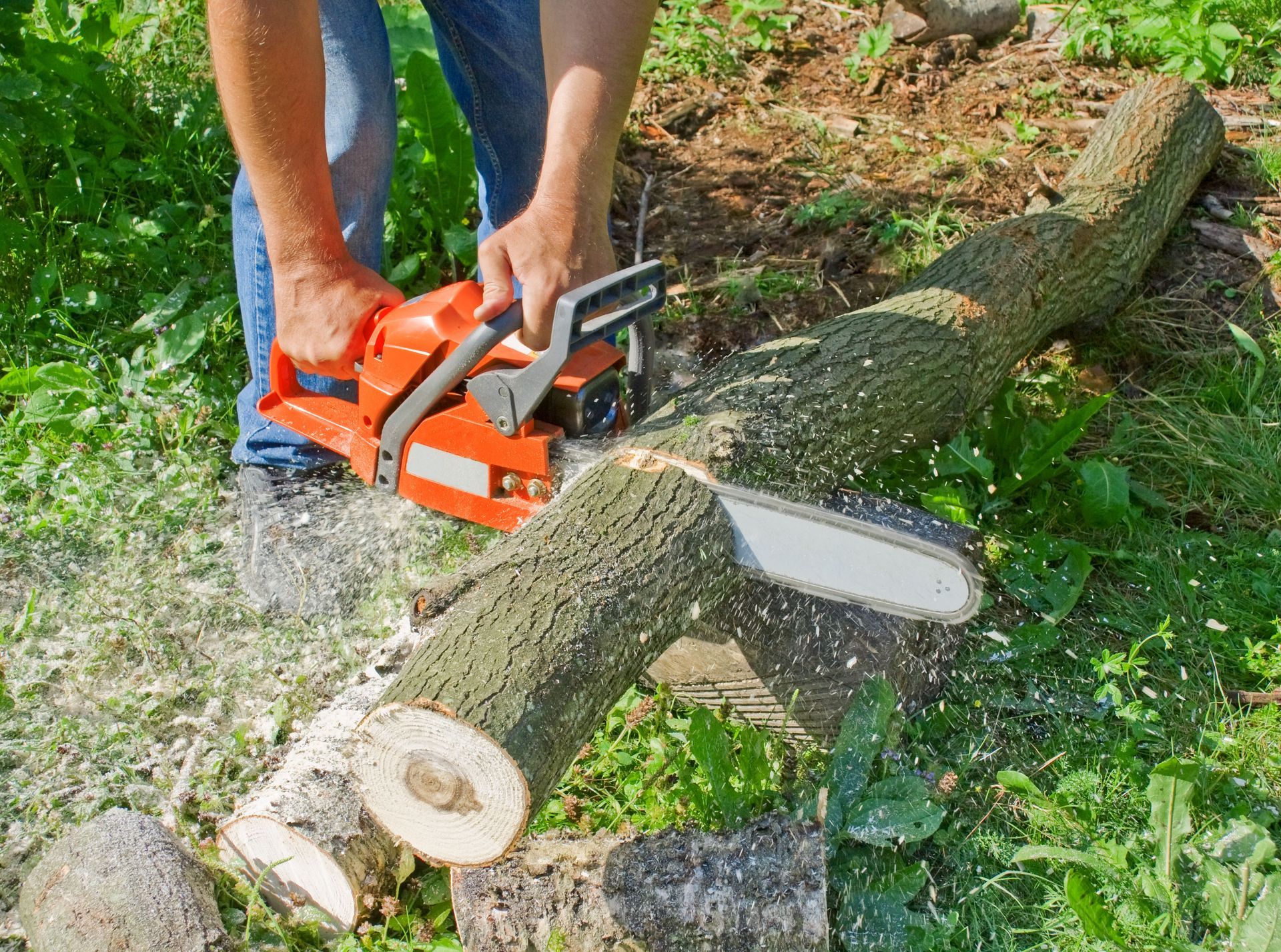
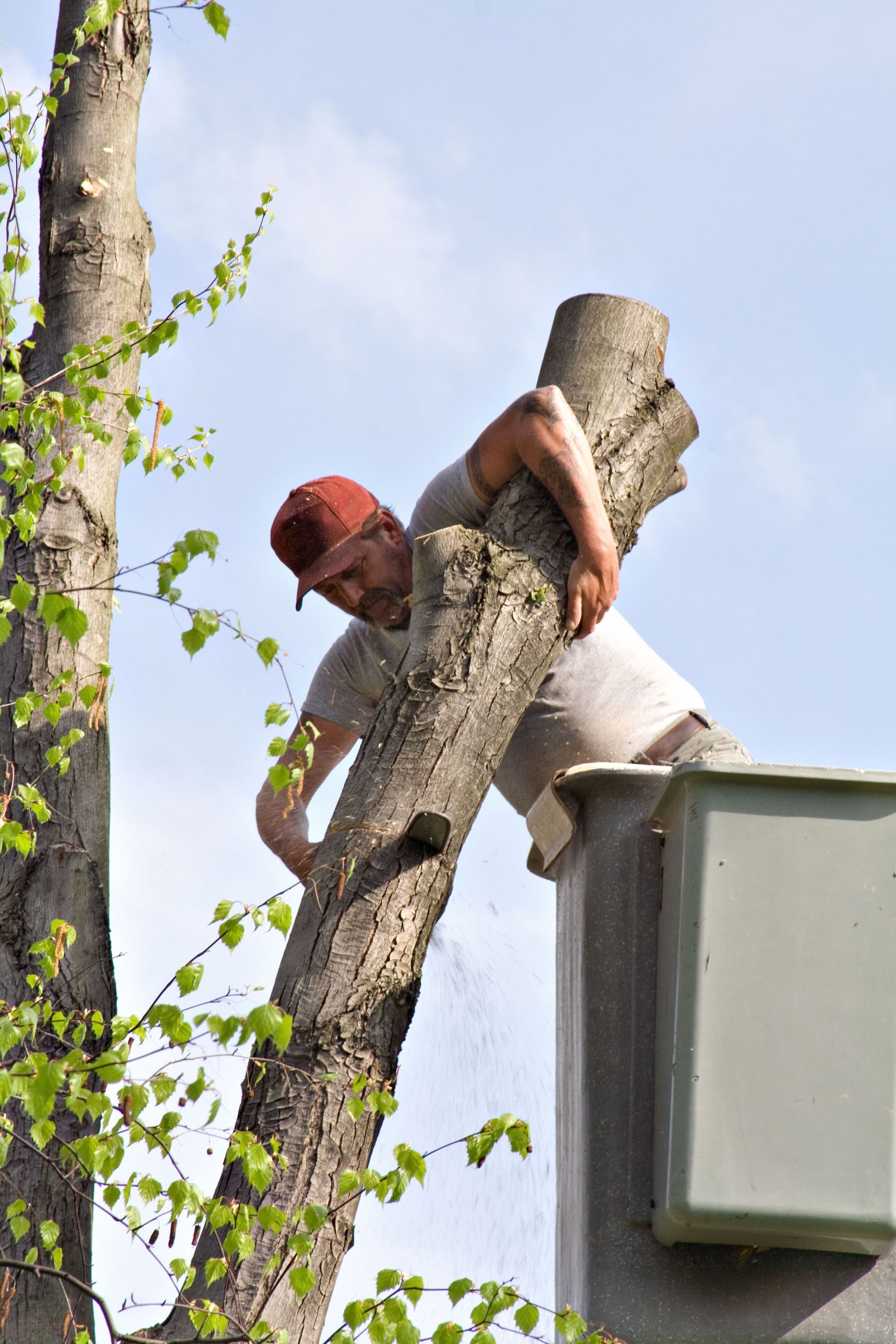
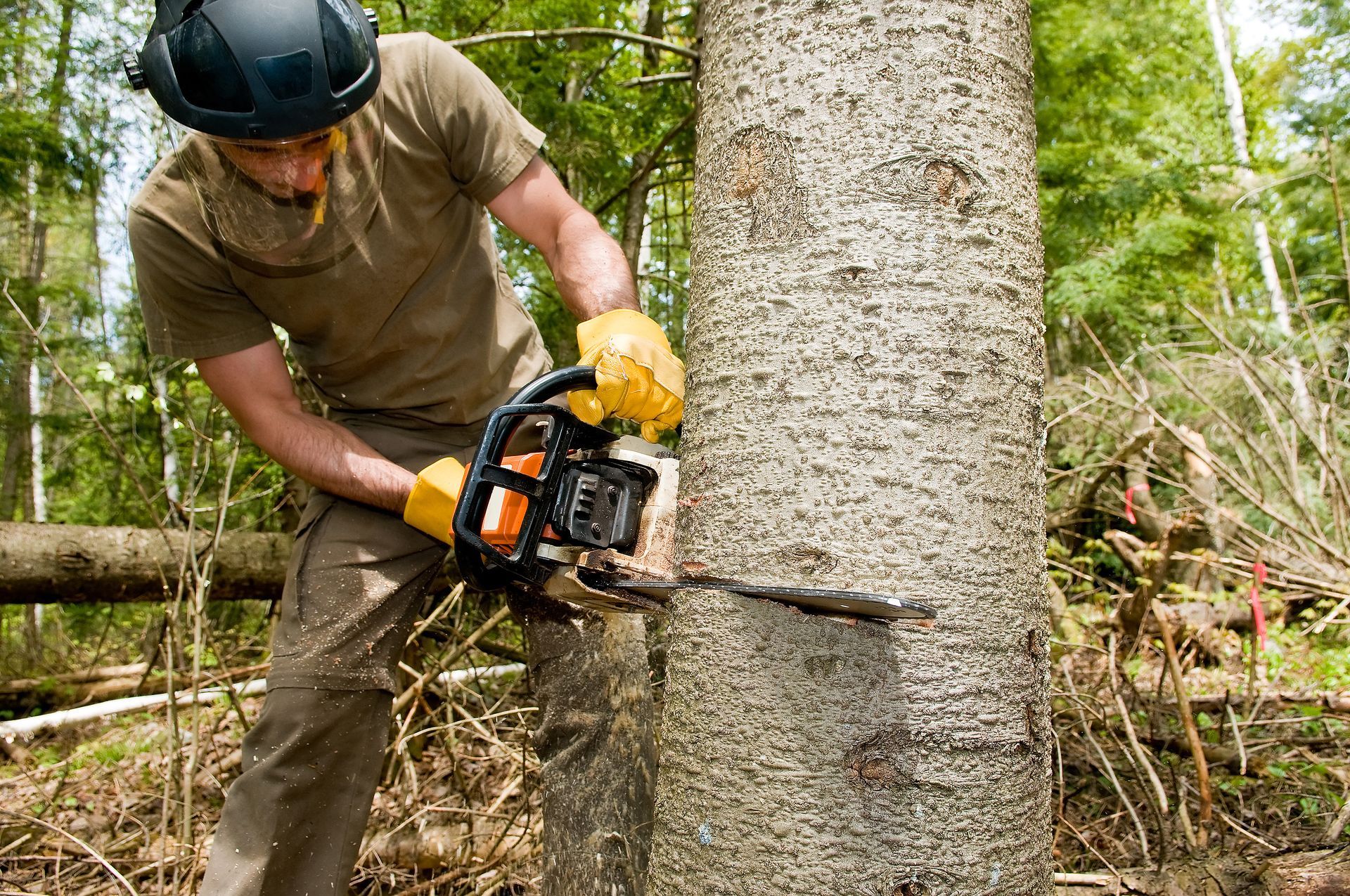
Removing massive, heavy, or elevated hazardous limbs demands specialized technical skills, complex rigging equipment, and strict adherence to industry safety standards. Attempting major canopy work without professional training creates extreme personal injury hazards and severe property damage risks. Certified specialists utilize advanced rigging systems, lowering ropes, safety harnesses, and aerial lifts to lower heavy timber sections systematically without impacting underlying roofs, fences, or delicate garden features. Professional tree care specialists conduct thorough pre-climb structural inspections to evaluate trunk stability and anchorage safety before ascending high into upper canopies. Furthermore, applying correct pruning practices ensures cuts occur just outside the natural branch bark collar, enabling proper natural callus formation while minimizing decay entry points. Attempting amateur cuts often leaves awkward stubs or tears living bark down main trunks, causing permanent structural damage. Relying on certified specialists ensures safe execution, precise cuts, proper tool sanitation, and complete debris clearing. Requesting professional deadwood removal protects your property while ensuring high-altitude branch extraction is performed safely and efficiently.
Preventing Future Canopy Damage
Preventative arboricultural care represents the single most effective strategy against unexpected branch failure and progressive structural decline. Comprehensive maintenance routines include deep watering during extended dry periods, applying organic wood chip mulch around root drip lines to conserve vital soil moisture, and preventing heavy equipment from compacting soil near critical root zones. Periodic selective canopy thinning improves air circulation and sunlight penetration throughout inner branches, reducing wind resistance during summer storms while discouraging fungal spore development. Applying balanced soil amendments based on professional soil analysis supports vigorous root growth and bolsters natural chemical defenses against invasive insects and diseases. Regularly scheduling professional deadwood removal removes potential failure points while promoting balanced weight distribution across the entire structural frame. Investing in proactive health care preserves majestic tree beauty, enhances overall residential property value, and protects family living areas from preventable overhead hazards.
Maintaining a safe, vibrant, and visually captivating landscape requires consistent attentive care, prompt hazard identification, and skilled professional intervention. Hazardous, decaying branches compromise property safety, endanger loved ones, and threaten overall tree vitality when left unaddressed. For expert structural evaluations, comprehensive hazard mitigation, and complete canopy care, contact Affordable Tree Care to protect your valuable property today.