September 22, 2026
Tree felling, while appearing straightforward, involves complex physics, heavy equipment, and unexpected variables that can turn hazardous in a matter of seconds. Whether clearing room for new construction, removing a diseased trunk, or managing storm damage, cutting down a mature tree requires extensive industry experience and careful planning. Every branch, root system, and slope introduces unique challenges that demand thorough evaluation before any cuts begin. Understanding why this operation requires veteran crews helps property owners protect their land, nearby structures, and surrounding natural environments. Leaving tree felling to qualified crews guarantees that the job proceeds smoothly, safely, and in full compliance with local environmental standards.
Understanding Tree Biology and Biomechanics
Every species of tree possesses unique physical characteristics that dictate how it responds during a cut. Differences in wood density, internal moisture levels, and growth patterns influence how weight distributes across the trunk and canopy. Veteran crews evaluate these structural details to predict exactly how a trunk will react under stress. Rot, hollow cavities, and pest damage often remain hidden deep within the trunk, altering the center of gravity in ways that are impossible to detect from a casual visual check. Understanding how these biological factors interact with surrounding wind currents ensures that crew members can guide the trunk down along a predictable path without causing unexpected breaks or split limbs.
Evaluating Structural Integrity and Hidden Hazards
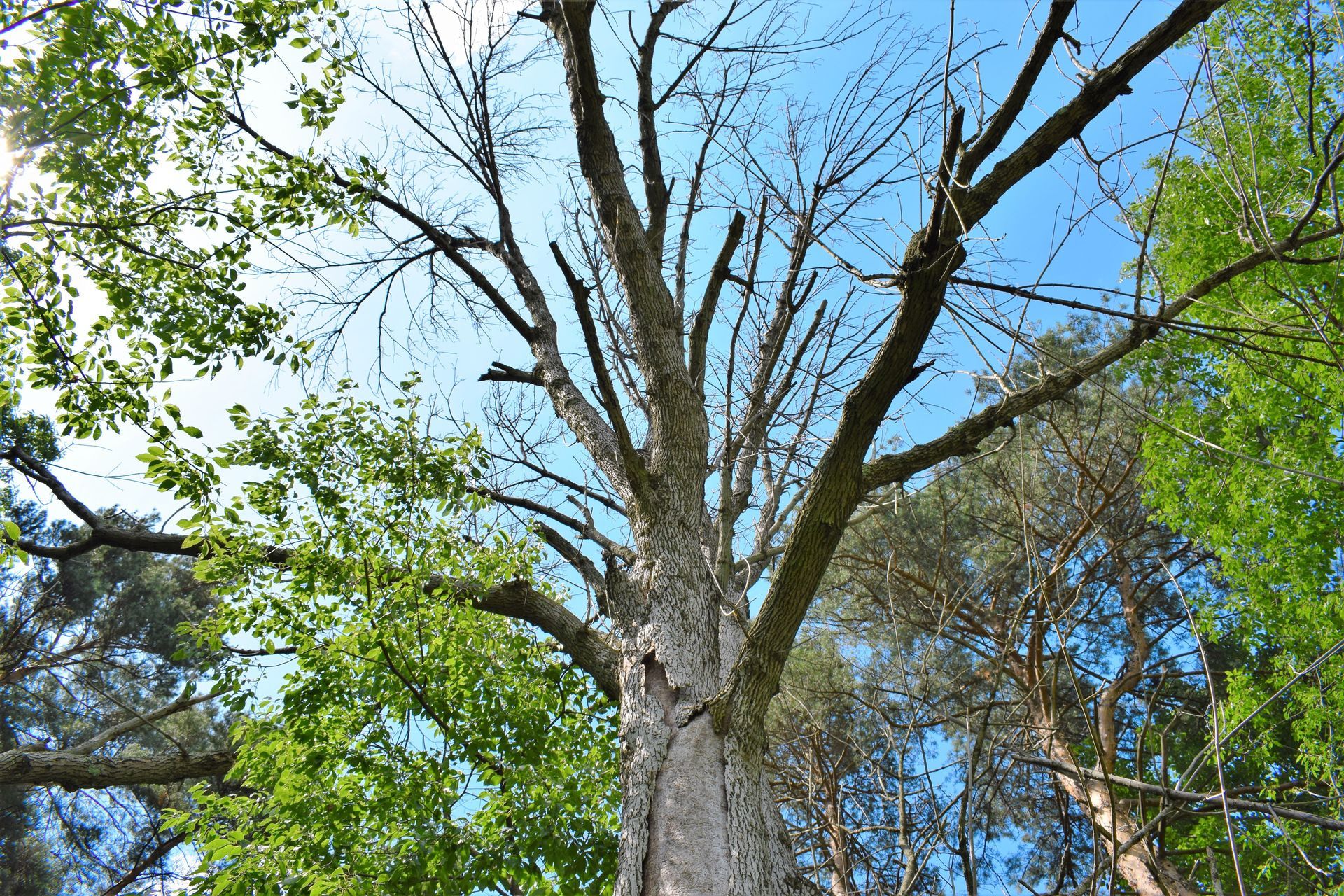
Internal decay and structural weaknesses present major risks during any tree felling project. A trunk might look solid on the outside while harboring severe decay, fungal infestations, or internal voids that weaken its core strength. Professional crews utilize diagnostic tools and technical assessment methods to determine structural soundness before making an initial notch. They examine the root system, bark integrity, and lean angles to identify hidden vulnerabilities. Identifying these hidden hazards early prevents sudden trunk collapse, unexpected side-splits, or premature falls during the cutting process, allowing the entire operation to stay controlled from start to finish.
Managing Environmental Impacts and Local Ecosystems
Taking down a large tree alters the surrounding landscape, light exposure, and soil stability. Indiscriminate tree felling can spark soil erosion, disrupt regional drainage patterns, and destroy habitats for local wildlife. Qualified crews assess the broader ecological setting to minimize disruption to nearby vegetation and wildlife. According to WifiTalents, tree removal represents roughly 35% of a typical tree service company's total service volume, highlighting how frequently property owners rely on experienced teams to manage these ecological shifts. By taking total environmental health into account, professional teams help preserve natural balance while removing targeted risks.
Navigating Legal Regulations and Municipal Permits
Municipalities often enforce strict regulations, zoning laws, and environmental protection ordinances regarding tree felling. Local codes may require specific permits, seasonal restrictions to protect nesting animals, or detailed site plans before cutting down mature trees. Industry professionals stay up to date on municipal requirements and handle necessary paperwork to keep projects compliant. Failing to follow local regulations can result in steep fines, work stoppage orders, or mandatory replanting projects. Working with experienced teams eliminates legal risk and guarantees that all work adheres strictly to county and city guidelines.
Utilizing Advanced Rigging Tools and Cutting Equipment
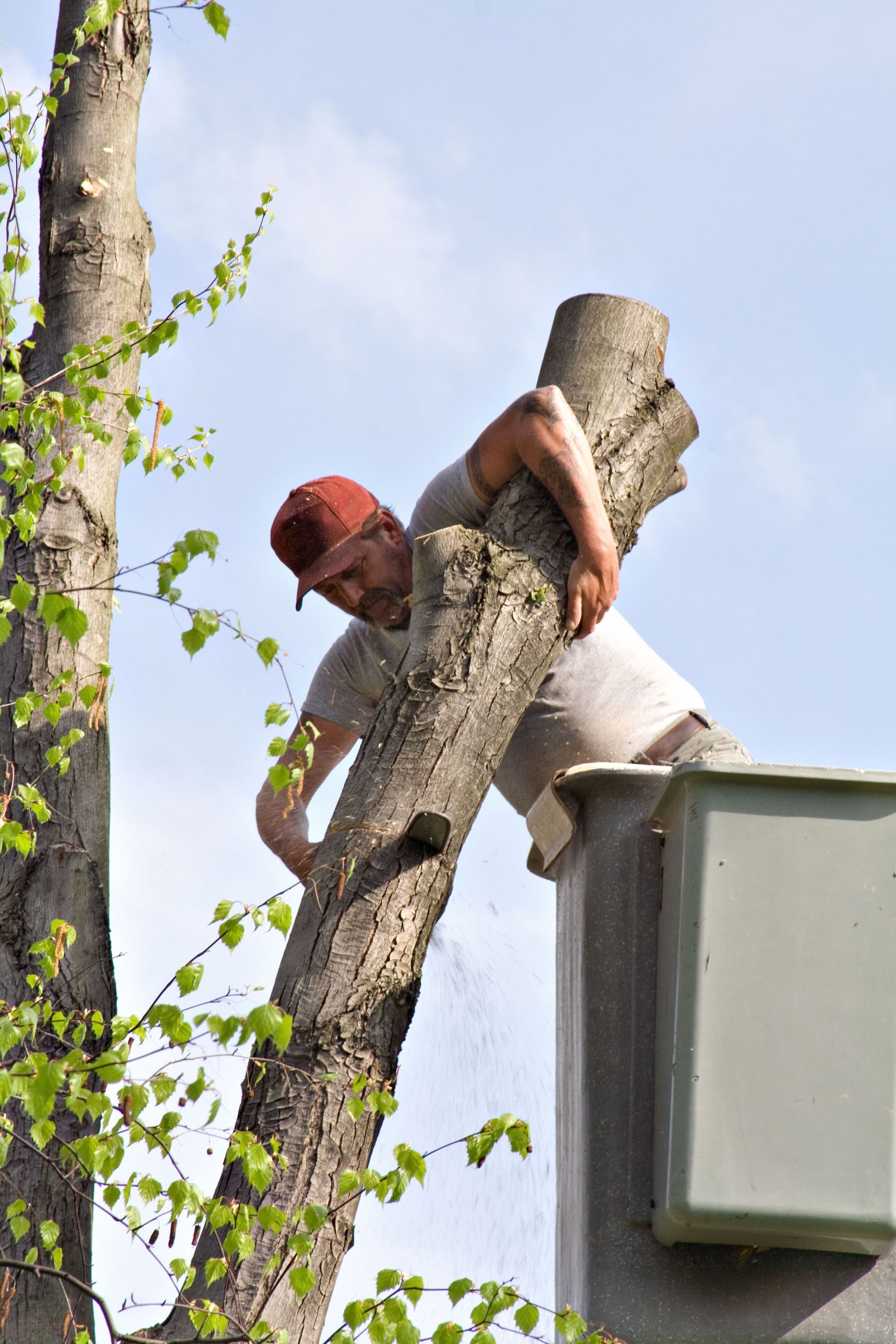
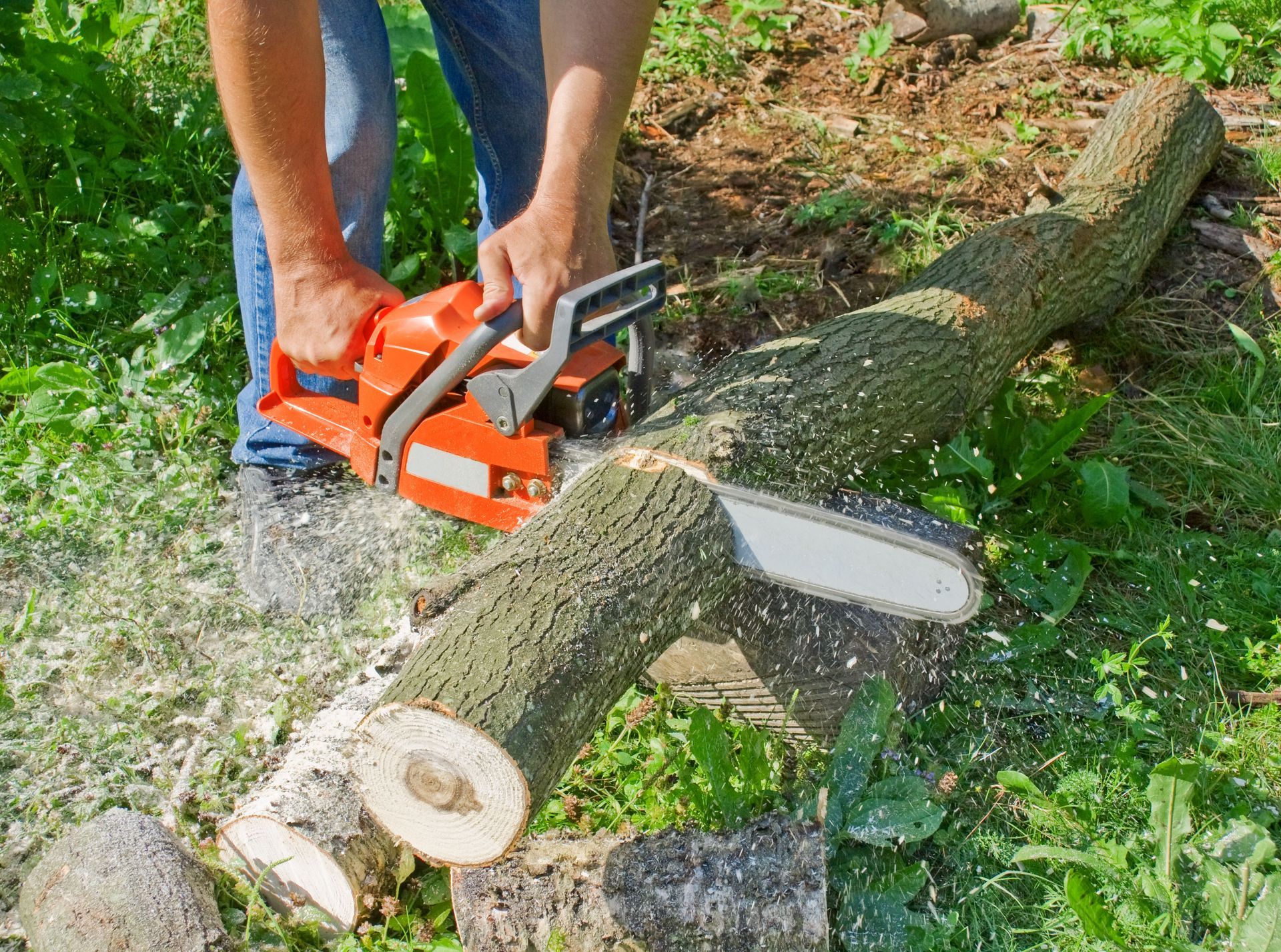
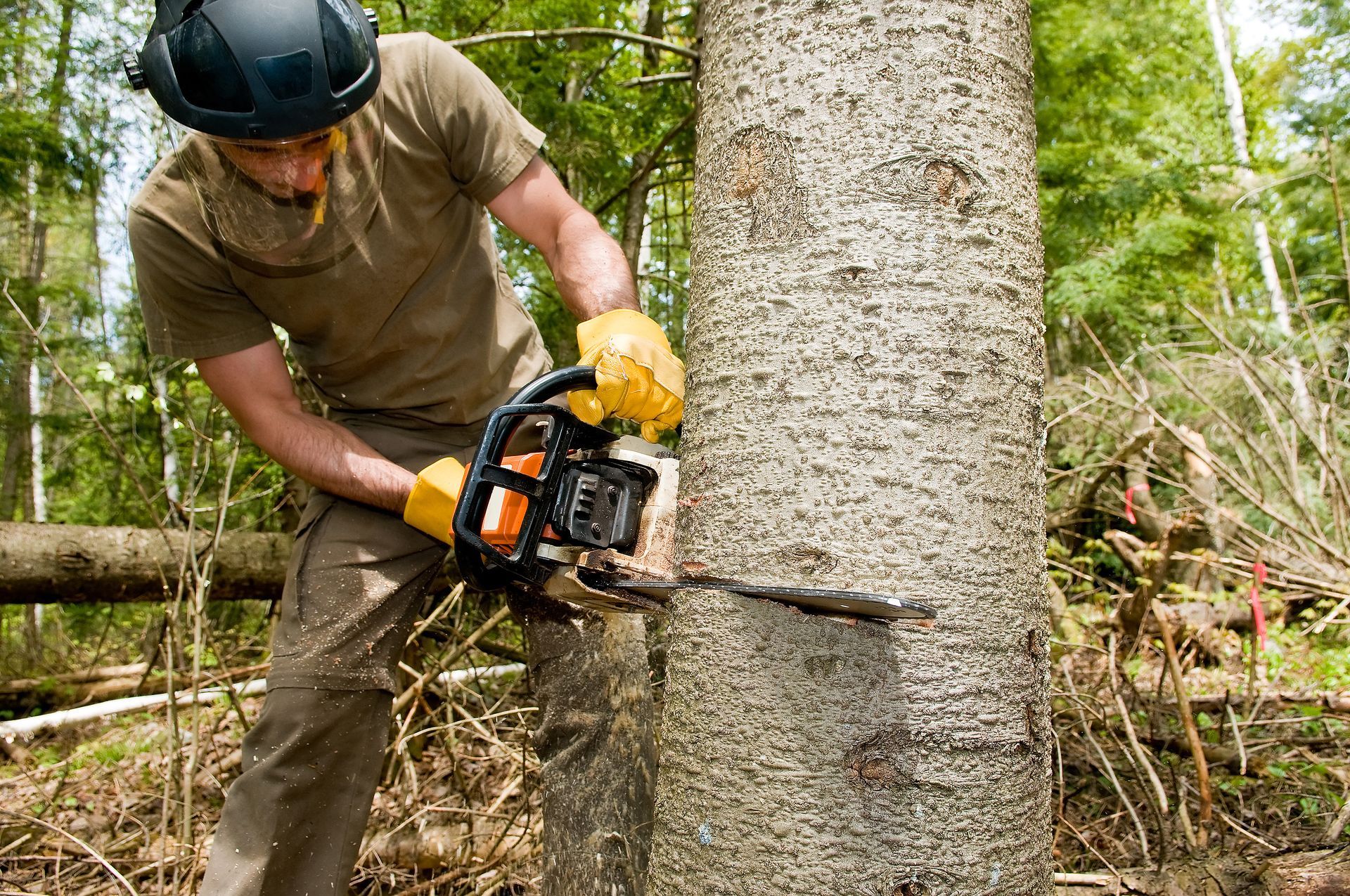
Executing a safe, controlled fall relies on heavy-duty commercial equipment and precise mechanical advantage systems. Crews deploy industrial chainsaws, rigging ropes, friction brakes, cranes, and aerial lifts tailored to the specific demands of the site. Operating these tools requires extensive training, routine maintenance, and an understanding of load limits under tension. Professional crews calculate rope tension, fall lines, and drop zones with mathematical accuracy. Using high-grade gear under controlled conditions allows teams to lower massive limbs piece by piece in tight residential settings without impacting nearby utility lines or neighboring structures.
Preventing Costly Damage to Neighboring Property
Working in tight suburban neighborhoods or near commercial buildings requires extreme precision to avoid structural damage. A falling trunk or heavy limb can crush roofs, tear down power lines, wreck fences, or ruin manicured lawns. Qualified crews use controlled sectional dismantling, lowering wood piece by piece with dedicated rigging systems to protect adjacent structures. Their strategic approach keeps heavy debris contained within a designated drop zone. Preventing collateral damage saves property owners from expensive structural repairs, insurance claims, and lengthy disputes with neighbors or local utility companies.
Mitigating Financial Liability and Safety Risks
Work involving high heights, heavy timber, and powerful equipment inherently carries significant physical risk. Professional tree care companies carry comprehensive liability insurance and workers' compensation coverage to handle potential incidents on the job site. This coverage shields property owners from financial responsibility if property damage or unexpected accidents occur during the project. Furthermore, professional teams follow strict safety protocols, including wearing personal protective gear, setting up perimeter barriers, and using continuous ground-to-canopy communication, keeping the workspace secure for workers and bystanders alike.
Ensuring Valid Insurance Coverage for Property Work
Home insurance policies frequently feature specific guidelines regarding property maintenance and structural work. Major structural modifications or hazardous removals carried out without proper credentials can complicate future insurance claims if damage occurs. Many insurance providers require documented service from licensed, insured companies to honor claims related to property boundary incidents. Relying on legitimate services guarantees that all work meets standard industry standards, preserving valid insurance protections for the entire property while ensuring all work meets local building code expectations.
Applying Practical Experience to Unpredictable Site Conditions
No two tree felling projects are identical, and field conditions can change rapidly once work begins. Sudden wind shifts, hidden vine tangles, or structural shifts inside the wood require instant tactical adjustments. Experienced arborists draw upon years of hands-on field experience to resolve unexpected obstacles safely and efficiently. Their ability to read wood grain under tension, adjust cut angles on the fly, and modify rigging configurations mid-job keeps the site secure. This level of adaptability only comes from extensive real-world experience across varied weather and terrain conditions. Seasoned teams can quickly pivot their approach when faced with unexpected rot or uneven weight shifts. Having trained experts on site prevents minor surprises from turning into dangerous emergency situations.
Managing Site Cleanup and Total Debris Disposal
The job is not complete when the trunk touches the ground; managing the massive volume of debris generated during tree felling presents its own logistical challenge. A single mature tree yields tons of wood, brush, sawdust, and branches that require heavy hauling and processing equipment. Qualified crews arrive equipped with commercial wood chippers, log loaders, and heavy transport trucks to clear the property efficiently. They process green waste, recycle usable timber, and clean up the surrounding area, leaving the yard safe, usable, and free of hazardous trip risks. Proper debris management ensures your landscape is immediately ready for future planting or outdoor activities.
Tree felling is a high-stakes operational task that demands extensive technical knowledge, commercial equipment, and continuous risk management. From evaluating internal trunk decay and calculating drop zones to navigating city permit requirements and hauling away tons of debris, leaving this work to qualified crews guarantees safety and peace of mind. Protecting your property, nearby structures, and surrounding natural environment requires professional care from start to finish. Reach out to Affordable Tree Care today to request a comprehensive consultation and schedule your upcoming tree service project with our experienced team.